This The uncanny valley of modern life Will Break Your Brain
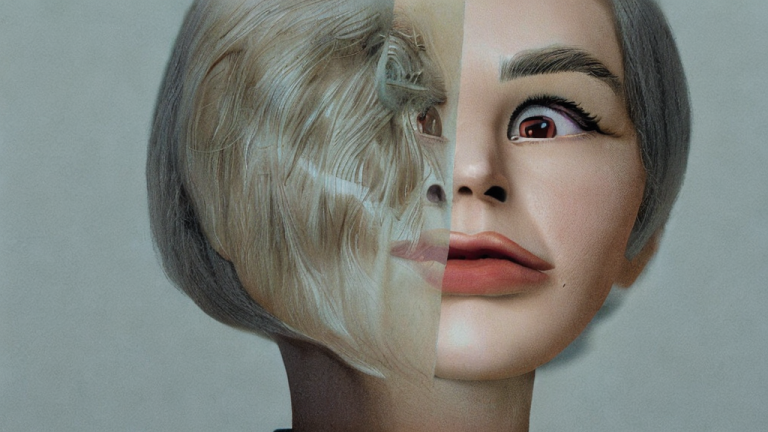
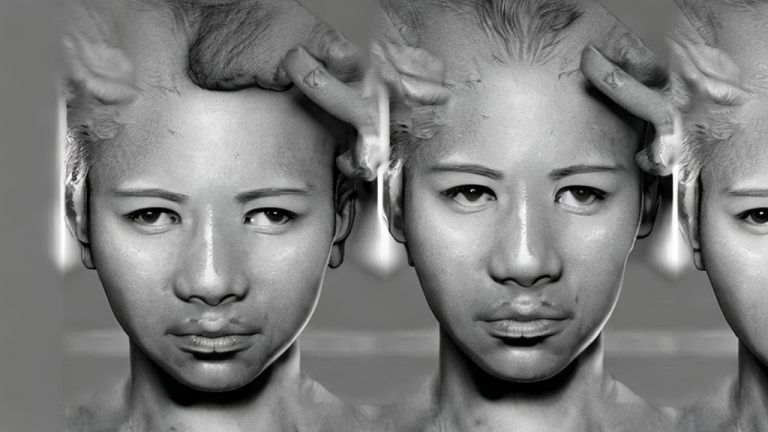
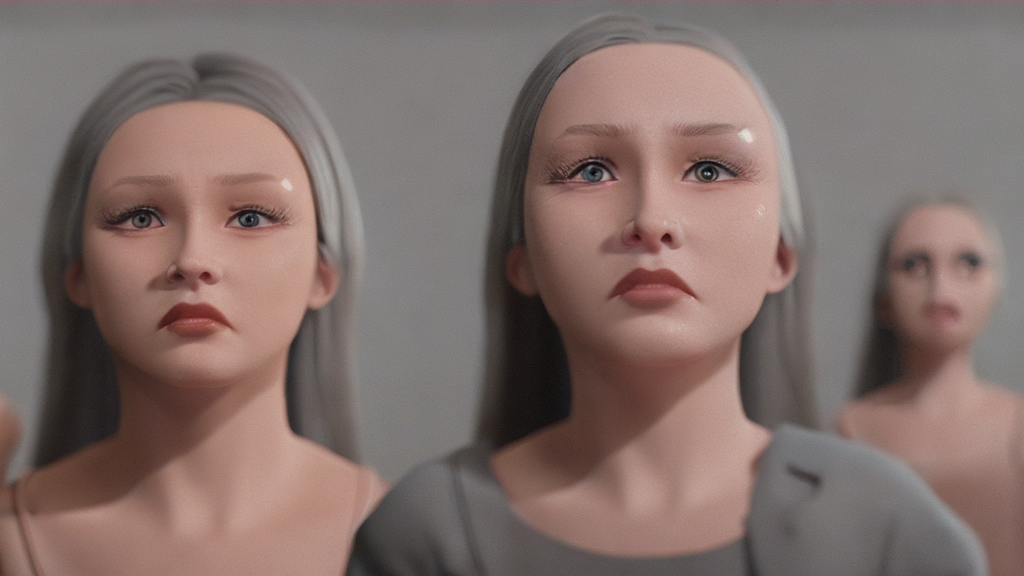
The other day I was scrolling through my feed and noticed something that feels like an iceberg tip—just a small glitch in the Matrix, until you see the whole iceberg. I swear, the uncanny valley of modern life is creeping into every corner of our reality. Hear me out: have you ever seen one of those AI-generated faces that look almost human but just a little off? That subtle, unsettling feeling that says “this is not how it’s supposed to be.” Now replace the face with our cities, our social media feeds, even our everyday conversations. Something’s not right.
First, the evidence: on Twitter, people keep tagging #DeepFake and #AIArt, and suddenly I’m scrolling past a “human” selfie that looks like a glitchy filter. On LinkedIn, my connection requests are being flooded by a profile with the exact same headline and photo—except the face is slightly too symmetrical, like a glitch in the system. And on TikTok, those viral dance videos where the creators’ bodies move with a strange lag, as if they’re being controlled by a remote. Too many coincidences, right? But maybe it’s a pattern we’re all ignoring.
Now, the conspiracy: the uncanny valley isn’t just a psychological thing—it’s a social engineering tool. Imagine, if you will, a secret cabal of tech moguls who’ve been training algorithms to produce faces that are eerily close to real people. The goal? Get us to trust a face, to feel “human” for a second, and then slip in messages that manipulate. Think about those “influencer” accounts. They’re perfectly curated, but just slightly off in their micro-expressions. The uncanny valley in our feeds is pushing us toward hyper-consumption and distraction. The same way those AI-generated faces trick us into thinking they’re real. And when you add the algorithmic curation of news, we’re essentially living in a giant, digital uncanny valley where we’re never sure if the content is real or being engineered to keep us complacent.
The deeper meaning? We’re all living on a screen that mimics reality, but it’s a digital double that knows how to manipulate. The line between actual living and simulated experience is dissolving. We’re being conditioned to accept a slightly off reality as normal. This is the digital uncanny valley at its worst: a place where we’re comfortable with something that feels almost wrong, and we keep buying in. We’re basically being conditioned to never question the authenticity of what we see. The message? When you see something that feels too perfect, or too off, that’s when you should start questioning. The uncanny valley is a glitch in the system designed to distract us from the real-world problems.
So here’s the call-to-action: stop scrolling. Pause. Think. What do you notice about the faces that sit at the edge of your mind? Who’s behind the camera or the algorithm generating them? What if the line between the real and the manufactured starts to blur because we’re not checking it? Drop your theories in the comments, tell me I’m not the only one seeing this. This is happening RIGHT NOW – are you ready?